In today’s fast-paced world, personal growth and self-improvement are more important than ever. Everyone dreams of reaching their full potential, achieving their goals, and living a fulfilling life. Yet, the path to personal growth often seems elusive. That’s where a personal development plan (PDP) comes in. This structured approach helps you map out your journey, set clear goals, and measure your progress. But how do you create a personal development plan that truly works? Let’s dive in.
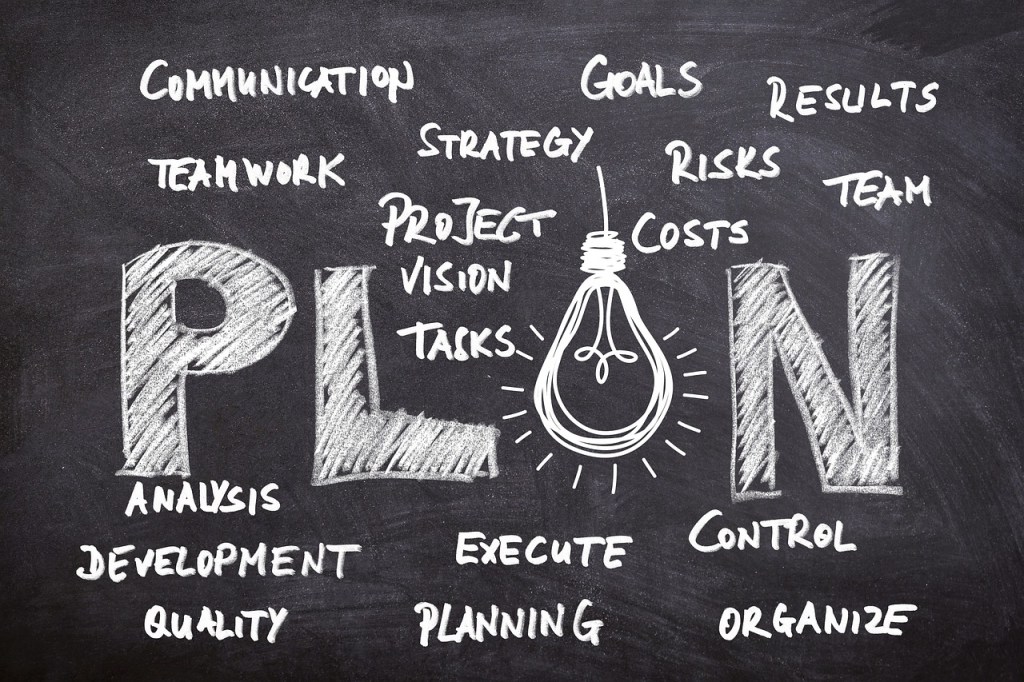
Creating a personal development plan is like drafting a blueprint for your future. It’s about more than just setting goals; it’s about envisioning the life you want and outlining the steps to get there. By the end of this guide, you’ll have a practical, actionable plan to guide your journey toward personal growth and self-improvement.
The Foundation of a Personal Development Plan
Before diving into the steps of creating a PDP, it’s crucial to understand its foundation. A personal development plan isn’t just a checklist; it’s a dynamic, evolving tool that aligns with your life’s purpose and goals.
1. Self-Assessment: Understanding Your Starting Point
The first step in creating a PDP is self-assessment. Understanding your strengths, weaknesses, passions, and values lays the groundwork for your plan.
– Identify Your Strengths and Weaknesses: Use tools like SWOT analysis (Strengths, Weaknesses, Opportunities, Threats) to get a clear picture of where you stand.
– Discover Your Passions: Reflect on what activities make you lose track of time and bring you joy.
– Clarify Your Values: Knowing what matters most to you helps ensure your goals align with your core beliefs.
2. Goal Setting: Charting Your Course
Once you have a clear understanding of your starting point, it’s time to set your goals. This is a crucial part of your personal development plan, as it gives you direction and purpose.
– SMART Goals: Ensure your goals are Specific, Measurable, Achievable, Relevant, and Time-bound. This framework keeps your goals clear and attainable.
– Short-term vs. Long-term Goals: Break down your aspirations into short-term and long-term goals. Short-term goals keep you motivated, while long-term goals keep you focused on the bigger picture.
– Vision Board: Create a visual representation of your goals. This can help you stay motivated and focused on your objectives.
Building Your Personal Development Plan
With your self-assessment and goals in place, it’s time to build your PDP. This involves outlining the steps and strategies you’ll use to achieve your goals.
1. Action Steps: From Vision to Reality
Action steps are the specific tasks you need to complete to move closer to your goals. They transform abstract goals into tangible actions.
– Break Down Goals: Divide your goals into smaller, manageable tasks. This makes them less overwhelming and easier to tackle.
– Prioritize Tasks: Focus on high-impact tasks that will bring you closer to your goals faster.
– Set Deadlines: Assign deadlines to each task to maintain momentum and accountability.
2. Resources and Tools: Leveraging Support
Identify the resources and tools you’ll need to achieve your goals. This can include educational materials, online courses, mentors, and software.
– Educational Resources: Books, articles, and courses can provide valuable knowledge and skills.
– Mentors and Coaches: Seek guidance from those who have achieved what you aspire to.
– Productivity Tools: Use tools like task managers, calendars, and habit trackers to stay organized and on track.
Maintaining Momentum and Overcoming Obstacles
Creating a plan is just the beginning. Staying motivated and overcoming obstacles are crucial for long-term success.
1. Maintaining Motivation: The Law of Attraction
The law of attraction suggests that positive thoughts attract positive outcomes. By maintaining a positive mindset, you can stay motivated and focused.
– Visualization Techniques: Regularly visualize yourself achieving your goals. This reinforces your commitment and keeps you motivated.
– Affirmations: Use positive affirmations to boost your confidence and keep negativity at bay.
– Celebrate Milestones: Acknowledge and celebrate your progress, no matter how small. This keeps you motivated and reinforces your success.
2. Overcoming Obstacles: Resilience and Adaptability
Obstacles are inevitable, but how you handle them determines your success.
– Anticipate Challenges: Identify potential obstacles and plan how you’ll overcome them.
– Build Resilience: Cultivate a resilient mindset by viewing setbacks as learning opportunities.
– Adaptability: Be flexible and willing to adjust your plan as needed. Life is unpredictable, and adaptability is key to staying on track.
Reviewing and Revising Your Personal Development Plan
Your personal development plan should be a living document that evolves as you grow. Regular reviews and revisions ensure it remains relevant and effective.
1. Regular Check-ins: Staying on Track
Schedule regular check-ins to review your progress and adjust your plan as needed.
– Monthly Reviews: Assess your progress and make any necessary adjustments.
– Annual Reviews: Take a comprehensive look at your achievements and set new goals for the coming year.
– Feedback Loop: Seek feedback from mentors, coaches, and peers to gain new perspectives and insights.
2. Reflect and Refine: Continuous Improvement
Continuous improvement is key to personal growth. Reflect on your journey and refine your plan based on your experiences.
– Reflect on Achievements: Acknowledge your successes and learn from your experiences.
– Identify Areas for Improvement: Look for patterns and identify areas where you can improve.
– Update Your Plan: Adjust your goals and action steps based on your reflections and feedback.

Creating a personal development plan that works is a powerful way to take control of your future and achieve your dreams. By understanding your starting point, setting clear goals, and taking actionable steps, you can embark on a journey of personal growth and self-improvement. Remember to maintain your motivation, overcome obstacles with resilience, and continuously review and refine your plan. With dedication and perseverance, you can create a life that aligns with your true potential and aspirations. Start today, and watch as your personal development plan transforms your life.
 Personal Growth Hub