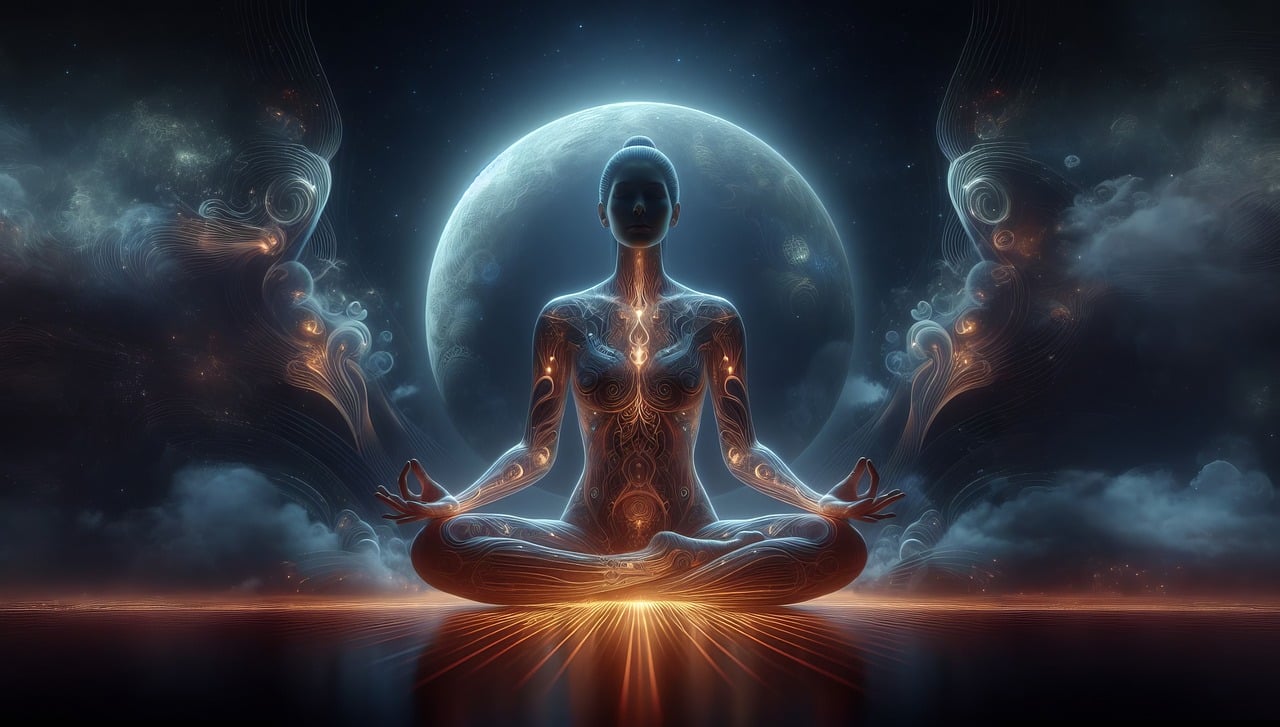
In a world where everything moves at breakneck speed, many of us yearn for something that transcends the material realm. We seek deeper meaning, a sense of purpose, and connection to something larger than ourselves. This is where spirituality comes into play. As a significant aspect of personal growth and self-improvement, spirituality offers us a unique pathway to align our inner selves with the external world. In this blog post, we’ll explore how embracing spirituality can enhance personal development, delve into the power of the law of attraction, and provide practical steps to integrate spirituality into your daily life.
The Connection Between Spirituality and Personal Growth
1. Understanding Spirituality
Spirituality is often misconstrued as a purely religious pursuit, but it extends far beyond the confines of any single faith. It is a universal quest for higher consciousness, a journey toward self-discovery, and a connection to the cosmos. At its core, spirituality involves finding answers to the existential questions: Who am I? Why am I here? What is my purpose?
For many, spirituality offers a framework for understanding their place in the universe, providing a sense of belonging and purpose that fuels personal growth. It encourages introspection, promotes mindfulness, and fosters a deeper appreciation for the interconnectedness of all things. By embracing spirituality, we embark on a journey of self-improvement that aligns our actions with our innermost values and beliefs.

2. The Spiritual Dimensions of Personal Development
Personal development is a holistic endeavour that encompasses physical, mental, emotional, and spiritual dimensions. While the first three are commonly addressed in self-help literature, the spiritual dimension often receives less attention. However, it is the spiritual aspect that grounds and enhances the other facets of personal growth.
– Mindfulness and Meditation: Spirituality encourages mindfulness practices that quiet the mind and foster inner peace. Meditation, a cornerstone of many spiritual traditions, enhances mental clarity, reduces stress, and promotes emotional well-being. By cultivating mindfulness, we develop a greater awareness of our thoughts and emotions, allowing us to respond to life’s challenges with greater equanimity.
– Gratitude and Compassion: Spirituality teaches us to cultivate gratitude and compassion. By appreciating the blessings in our lives and extending kindness to others, we foster a positive mindset that attracts abundance and joy. Gratitude and compassion are not just spiritual virtues; they are essential tools for personal growth that enhance our relationships and improve our overall well-being.
– Purpose and Meaning: Spirituality helps us discover our life’s purpose and meaning. It provides a moral compass that guides our actions and decisions, ensuring that we live in alignment with our core values. By embracing our unique purpose, we unleash our full potential and contribute positively to the world around us.
Harnessing the Law of Attraction
3. The Power of Thought
The law of attraction, a fundamental principle in many spiritual teachings, posits that our thoughts and emotions shape our reality. According to this law, positive thoughts attract positive outcomes, while negative thoughts draw negative experiences. By harnessing the power of thought, we can manifest the life we desire.
– Visualization and Affirmations: Visualization is a powerful tool for manifesting our goals. By creating a mental image of our desired outcome and affirming it regularly, we program our subconscious mind to bring our visions to fruition. Affirmations, positive statements that reinforce our beliefs and goals, further enhance the effectiveness of visualization by replacing limiting beliefs with empowering ones.
– Emotional Alignment: The law of attraction also emphasizes the importance of emotional alignment. Our emotions serve as a barometer for our thoughts, signalling whether we are in harmony or discord with our desires. By cultivating positive emotions such as joy, love, and gratitude, we align ourselves with the frequency of our desires, attracting them into our lives with greater ease.
4. Overcoming Limiting Beliefs
Limiting beliefs are self-imposed barriers that hinder our personal growth and manifesting potential. These beliefs, often rooted in fear and doubt, keep us stuck in patterns of lack and unworthiness. Spirituality offers a pathway to transcend these limitations by fostering self-awareness and encouraging inner healing.
– Self-Reflection: Spirituality encourages us to engage in deep self-reflection, uncovering the root causes of our limiting beliefs. Through practices such as journaling, meditation, and therapy, we gain insights into our subconscious patterns and begin the process of healing and transformation.
– Inner Healing: Many spiritual traditions emphasize the importance of inner healing, which involves releasing past traumas and negative emotions. By forgiving ourselves and others, we free ourselves from the shackles of the past and create space for new possibilities. Inner healing is a powerful step in personal development that paves the way for authentic self-expression and fulfilment.
Integrating Spirituality into Daily Life
5. Creating a Spiritual Practice
Developing a consistent spiritual practice is essential for integrating spirituality into our daily lives. A spiritual practice provides a sanctuary from the chaos of the external world, allowing us to reconnect with our inner selves and cultivate a sense of peace and balance.
– Daily Rituals: Simple daily rituals, such as morning meditation, prayer, or gratitude journaling, can anchor us in the present moment and set a positive tone for the day. These rituals serve as reminders of our spiritual intentions, helping us stay aligned with our higher purpose.
– Mindful Living: Mindful living involves bringing awareness to every aspect of our lives, from our thoughts and emotions to our actions and interactions. By practicing mindfulness, we become more attuned to the present moment, fostering a deeper connection with ourselves and the world around us.
6. Building a Supportive Community
Spirituality is not a solitary journey; it thrives in the context of community. Building a supportive spiritual community provides us with a network of like-minded individuals who share our values and aspirations. This community offers a safe space for sharing insights, experiences, and challenges, fostering mutual growth and inspiration.
– Joining Spiritual Groups: Participating in spiritual groups or workshops allows us to connect with others who are on a similar path. These groups provide opportunities for learning, sharing, and mutual support, enriching our spiritual journey.
– Engaging in Service: Engaging in acts of service and compassion is a powerful way to express our spirituality. By contributing to the well-being of others, we experience a deep sense of fulfilment and purpose. Service connects us to the larger community and reinforces our commitment to personal growth and self-improvement.
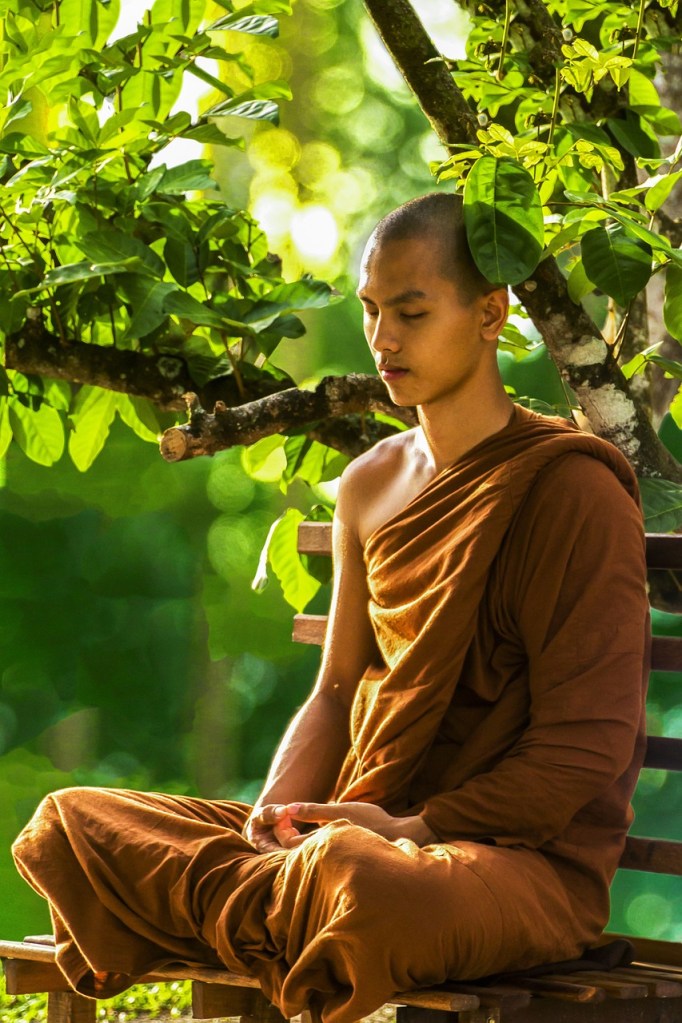
Spirituality is a transformative force that enriches our personal growth journey by providing a deeper sense of purpose, inner peace, and emotional well-being. By embracing spirituality, we unlock the power of the law of attraction, transcend limiting beliefs, and cultivate a life of abundance and joy. Whether through daily spiritual practices or community engagement, integrating spirituality into our lives leads to profound self-improvement and a greater connection with the world around us.
As we continue on this path, let us remember that personal development is not a destination but a lifelong journey. By nurturing our spiritual selves, we become the architects of our destiny, shaping a reality that reflects our highest aspirations and values. So, take a moment to pause, breathe, and connect with the divine within you. The journey of self-discovery and growth awaits, and the possibilities are limitless.
 Personal Growth Hub