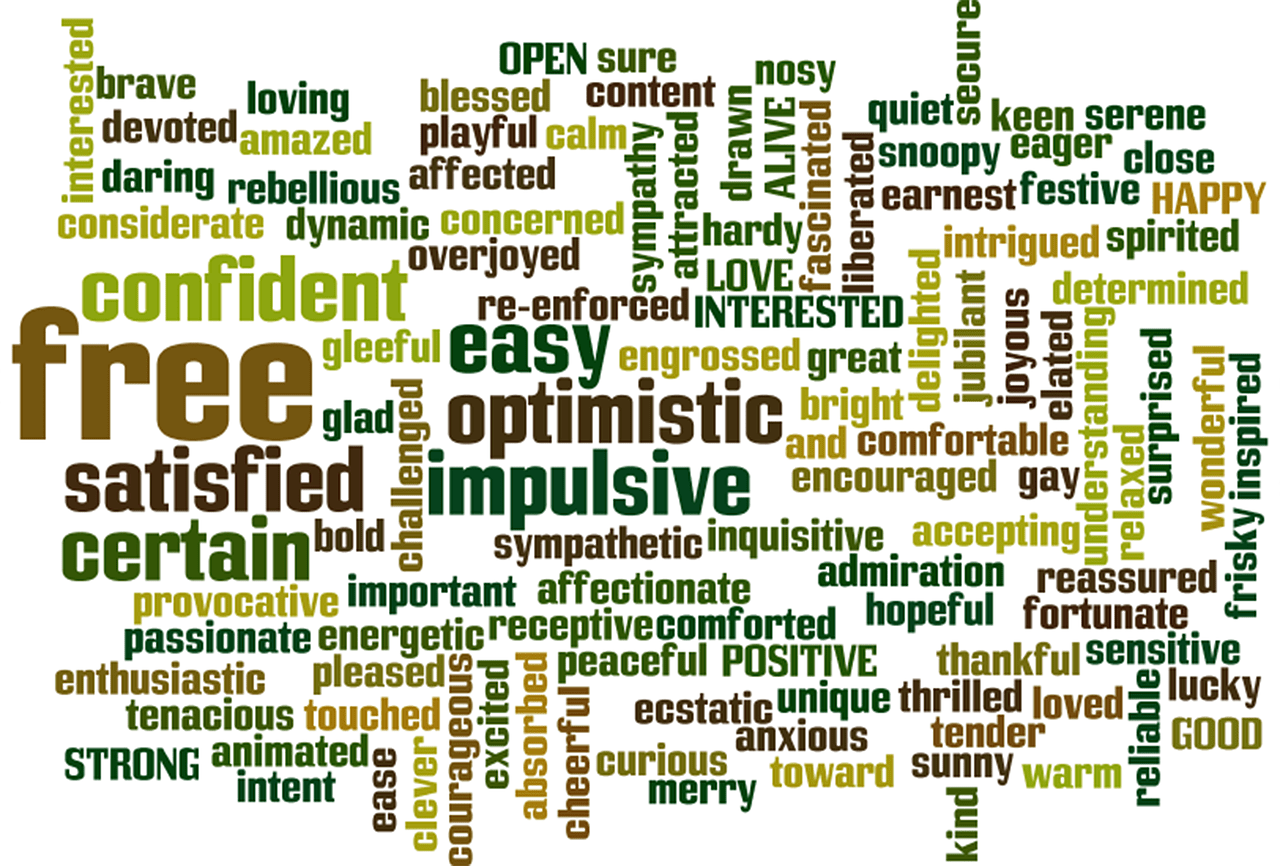
Words are powerful. Every day, we use them to communicate our thoughts, express our emotions, and interact with the world around us. But what if I told you that the words you choose don’t just describe your reality—they shape it? The language you use has the incredible power to influence your thoughts, beliefs, and even the outcomes in your life. Whether you’re talking to yourself or others, your words can either elevate you toward personal growth or hold you back.
In this blog post, we’ll explore how language affects your reality and how you can harness the power of words to manifest the life you desire. We’ll dive into how words influence your mindset, relationships, and behaviour, touching on powerful concepts like the *law of attraction* and *self-improvement*. You’ll discover that the key to unlocking a better version of yourself lies in the words you use daily.

The Hidden Power of Words: Crafting Your Mindset
“Words are, in my not-so-humble opinion, our most inexhaustible source of magic.” — J.K. Rowling
Words don’t just label your experiences; they help create them. Your internal dialogue—the words you say to yourself—forms the foundation of your mindset. Whether you’re aware of it or not, you’re constantly engaged in a conversation with yourself, and that conversation determines how you perceive the world and your place in it.
When you tell yourself, *I am not good enough* or *I’ll never succeed*, you reinforce limiting beliefs that shape your reality negatively. On the flip side, using empowering language like *I am capable* or *I am worthy* encourages a positive, growth-oriented mindset. This shift in language can open doors you never imagined.
Language and the Law of Attraction
The *law of attraction* suggests that the energy you put out into the world—through your thoughts and words—comes back to you. Simply put, like attracts like. By using positive affirmations and consciously choosing empowering language, you align yourself with the outcomes you want to attract.
For example, if you constantly focus on the negative aspects of your life, you’re likely to attract more negativity. If your internal dialogue revolves around phrases like *I always fail* or *bad things happen to me*, you’re inadvertently setting the stage for more failure and setbacks. But when you begin to focus on abundance, possibility, and success through language like *I am open to receiving abundance* or *success flows easily to me*, you invite positive opportunities into your life.
Language, then, becomes a tool of manifestation. By speaking your desires into existence, you can begin to see them materialize in your reality. This isn’t just wishful thinking—words create energy, and that energy shapes your world.
The Science Behind Language and Self-Improvement
Words not only shape your mindset but also trigger chemical responses in the brain. Neuroscientists have found that positive language can stimulate areas in the brain responsible for motivation and reward, whereas negative language can activate the stress and anxiety centers.
In a study conducted by Dr. Andrew Newberg, a neuroscientist, and Mark Robert Waldman, a communications expert, they discovered that just hearing or reading positive words can alter the brain’s function. Words like *love* and *peace* can activate the brain’s frontal lobes, encouraging cognitive function, empathy, and emotional resilience. On the other hand, negative words can disrupt these processes and lead to stress, anxiety, and even depression.
This scientific backing makes it clear: the words you choose have a direct impact on your mental health and emotional well-being. If you’re on a journey of *self-improvement*, the language you use can either accelerate your progress or halt it in its tracks.
The Role of Self-Talk in Personal Growth
Personal growth isn’t just about setting goals and achieving them; it’s about becoming the best version of yourself. To achieve this, you need to master the art of self-talk.
Self-talk is the inner conversation you have with yourself. Positive self-talk can encourage resilience, determination, and confidence. Phrases like *I am growing every day* or *I have the ability to overcome any challenge* reinforce a growth mindset, which is critical for self-improvement.
On the other hand, negative self-talk can cripple your progress. If you constantly tell yourself *I’m a failure* or *I don’t deserve happiness*, your mind believes those words and reinforces self-doubt, fear, and complacency. A simple shift in language can transform the way you perceive challenges and setbacks, turning them into opportunities for growth.
Language Shapes Your Relationships: The Power of Words in Interpersonal Connections
It’s not just your internal world that’s shaped by language—your external relationships are profoundly influenced by the words you use. Think about the last time someone offered you genuine praise. How did it make you feel? Now, contrast that with a moment of harsh criticism. The difference is stark, right?
Words have the ability to strengthen or break down relationships. Encouraging, kind language fosters trust, compassion, and closeness, while harsh, critical words can lead to division, resentment, and conflict.
Mindful Communication: Building Stronger Relationships
Mindful communication is about being aware of the language you use with others. When you speak with intention and kindness, you strengthen your connections and create an environment of support and understanding.
For instance, instead of saying, *You never listen to me,* you could say, *I feel unheard when we talk.* The second statement focuses on your feelings and opens the door for a more productive conversation. By being mindful of how you communicate, you can foster deeper, more meaningful relationships.
Language also plays a role in how we give and receive feedback. In personal and professional relationships, using constructive, supportive language can motivate others and build trust. Conversely, using negative or accusatory language can shut down communication and breed resentment.
Harnessing the Power of Affirmations: Changing Your Reality Through Words
Affirmations are positive statements that you repeat to yourself to challenge and overcome self-sabotaging thoughts. They are a practical and powerful tool for *self-improvement* and personal growth.
By regularly practicing affirmations, you train your brain to believe in the possibility of your aspirations. When you say things like, *I am capable of achieving my goals* or *I am worthy of success and happiness,* you begin to internalize these beliefs. Over time, this positive reinforcement can shift your behaviour and lead to real-world change.
How to Create Effective Affirmations
To maximize the impact of affirmations, they need to be specific, positive, and grounded in the present moment. For example, instead of saying *I will be successful someday*, say *I am successful today*. This simple change transforms your language from future possibility to present reality, which is a key principle in the *law of attraction*.
Here’s a quick guide to creating powerful affirmations:
– Be Positive: Focus on what you want to happen, not what you don’t want. For instance, say *I am confident and secure* rather than *I am not anxious*.
– Be Present: Use present-tense language to create a sense of immediate belief. Instead of *I will become successful*, say *I am already successful*.
– Be Specific: Tailor your affirmations to your unique goals. If you’re seeking career growth, you could say, *I am excelling in my career and attracting amazing opportunities.*
Repeating these affirmations daily—whether out loud or in writing—can rewire your brain to focus on success, positivity, and personal growth.

Changing Your Reality Starts with Changing Your Words
Words are more than just tools for communication; they are the building blocks of your reality. Whether you are seeking personal growth, striving to improve your relationships, or manifesting your dream life, the language you use plays a pivotal role. By embracing the power of words, you can reshape your mindset, improve your well-being, and open yourself up to endless possibilities.
The journey toward *self-improvement* begins with how you speak to yourself and others. By consciously choosing empowering, positive language, you can elevate your experience of life, attracting success, happiness, and fulfilment. Harness the power of affirmations, practice mindful communication, and align your words with your deepest desires.
In the end, the language you use will either create limitations or expand opportunities. The choice is yours: Will you let your words define a life of mediocrity, or will you use them to shape a life of abundance and joy?
 Personal Growth Hub